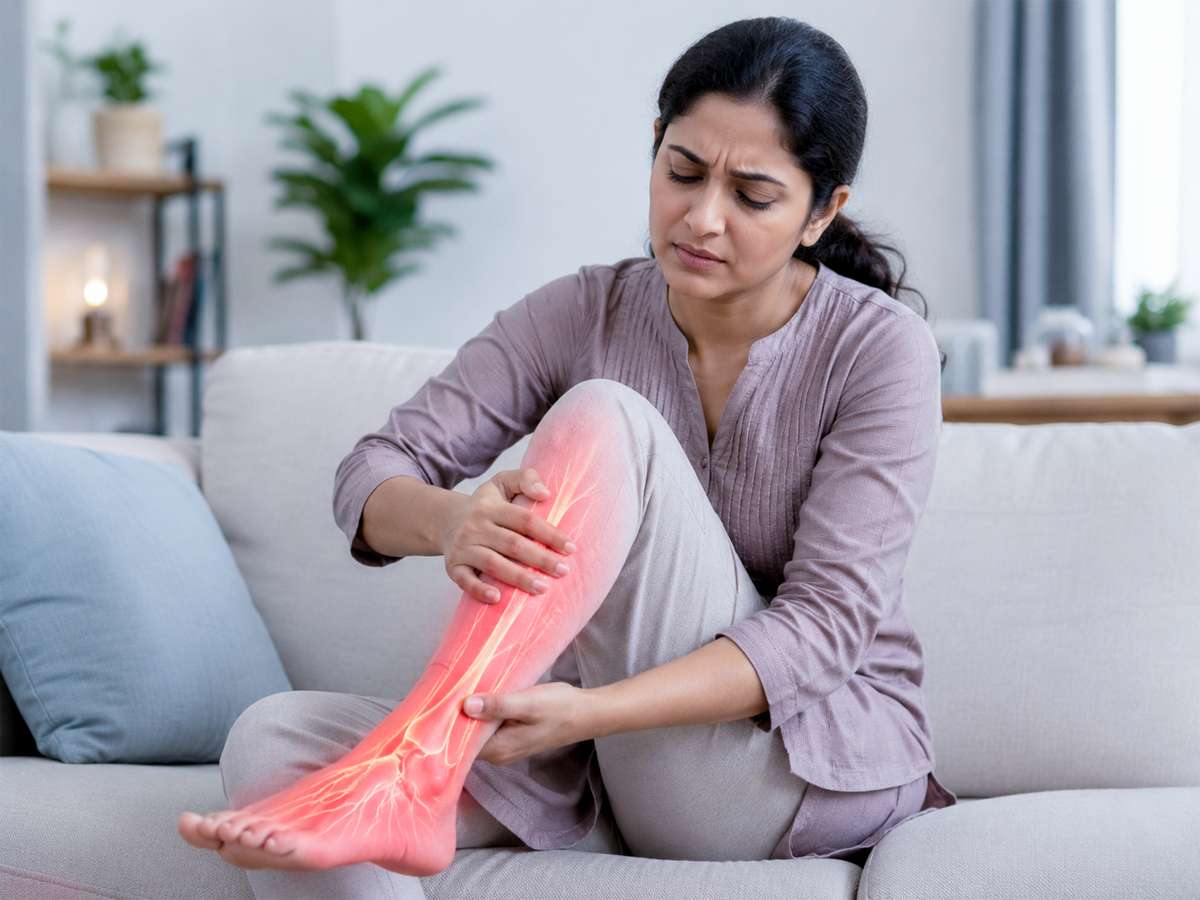
Neuropathic pain is a type of chronic pain that occurs when nerves are damaged or not functioning properly. Unlike pain caused by injury or inflammation, this pain results from abnormal signalling within the nervous system. It can involve the brain, spinal cord, or the peripheral nerves that extend to the arms, legs, fingers, toes, and organs.
People often describe neuropathic pain as burning, stabbing, tingling, or similar to electric shocks. Because damaged nerve fibres send incorrect signals to the brain, the pain can be long‑lasting and may interfere with daily activities. In this article, we’ll look at what causes neuropathic pain, how it feels, and the ways it can be managed, including both medications and lifestyle measures that may help improve comfort and quality of life.
What Is Neuropathic Pain?
Neuropathic pain happens when the nerves themselves are affected. Damaged or malfunctioning nerves send unusual signals to the brain, causing pain even when there isn’t an obvious injury. Unlike ordinary pain from tissue damage, neuropathic pain often feels strange, persistent, and sometimes disabling.
It can involve:
- Peripheral nerves (outside the brain and spinal cord)
- Spinal nerves
- Central nervous system (brain and spinal cord)
What Can Cause It?
Neuropathic pain can develop for many different reasons. Some of the most common include:
- Diabetes – Over time, high blood sugar can damage nerves.
- Vitamin deficiencies – Not getting enough nutrients, especially vitamin B12, can affect how nerves work.
- Spinal problems – Conditions like a slipped disc, spinal narrowing, or pinched nerves can trigger pain.
- Infections – Illnesses such as shingles, HIV/AIDS, or Lyme disease may injure nerves.
- Injury or surgery – Direct damage to nerves or complications after surgery can lead to lasting pain.
- Cancer treatments – Certain chemotherapy drugs can affect nerve health.
- Autoimmune diseases – Disorders like multiple sclerosis, lupus, or rheumatoid arthritis can attack nerve tissue.
- Alcohol misuse – Heavy drinking over time can harm the peripheral nerves.
Finding out what’s causing the nerve pain makes it easier to choose the right treatment.
How Neuropathic Pain Feels
Symptoms are often different from regular pain. People may notice:
- Burning or sharp pain in hands, feet, or legs
- Tingling or “pins and needles” sensations
- Electric shock–like jolts
- Numbness or reduced sensation
- Increased sensitivity to touch
- Pain that is worse at night
- Muscle weakness or heaviness
These sensations can make sleeping, moving, or doing daily tasks difficult. Recognising symptoms early can make treatment more effective.
Treatment Options for Neuropathic Pain
Neuropathic pain usually requires a multimodal approach, combining medications, lifestyle adjustments, and supportive therapies.
Medications That May Help
Gabapentinoids – These calm abnormal nerve activity and reduce pain. Examples include:
- Gabapin NT 200 – Combines Gabapentin (200 mg) with Nortriptyline (10 mg) for dual relief. Gabapentin helps regulate nerve firing, while Nortriptyline can improve sleep and mood.
- Pentanerv NT – Contains Gabapentin (400 mg) and Nortriptyline (10 mg) in a gastroretentive formulation for prolonged action, suitable for moderate to severe pain.
Antidepressants – Medications such as tricyclic antidepressants (amitriptyline, nortriptyline) or serotonin-norepinephrine reuptake inhibitors (duloxetine, venlafaxine) may help regulate nerve-related pain.
Topical Agents – Lidocaine patches or capsaicin cream can be useful for localised nerve pain.
Other Options – In some cases, tramadol, tapentadol, cannabinoids, or botulinum toxin A may be considered under medical supervision.
Supporting Yourself Beyond Medication
In addition to prescribed medicines, there are several ways to manage neuropathic pain and support nerve health:
- Gentle Exercise and Stretching: Low-impact activities like walking, swimming, or cycling may improve circulation, reduce stiffness, and support nerve function. Stretching can also help maintain flexibility and relieve tension.
- Stress Management: Chronic pain can be emotionally challenging. Counselling, mindfulness, meditation, or relaxation exercises may help reduce stress and improve coping.
- Healthy Lifestyle Habits: Maintaining balanced blood sugar, eating a nutritious diet, exercising regularly, and avoiding smoking or excessive alcohol may protect nerves. Adequate sleep and hydration also support overall well-being.
- Complementary Practices: Acupuncture, yoga, or meditation may provide additional comfort and help manage symptoms. These approaches are generally safe but should be discussed with your doctor to ensure they fit your treatment plan.
Combining these strategies with prescribed medications may help make neuropathic pain more manageable and improve daily functioning.
When to See a Doctor
It is important to seek medical advice if you notice:
- Persistent burning, tingling, or numbness that does not improve
- Pain that interferes with daily activities, sleep, or work
- Sudden worsening of symptoms or severe pain
- Weakness, loss of function, or difficulty moving affected limbs
- Any new or unexplained neurological changes
Conclusion
Living with nerve pain can be tough, but the right treatment can make a big difference. Medicines like Gabapin NT 200 and Pentanerv NT, when taken exactly as your doctor prescribes, help calm overactive nerves, reduce pain signals, and slowly improve comfort.
Alongside medication, healthy habits such as regular exercise, good sleep, balanced nutrition, and supportive therapies can make pain easier to manage and improve overall quality of life.
If your nerve pain keeps getting worse, interferes with daily activities, or does not improve, it is important to see a doctor. Getting the right diagnosis and treatment early can help prevent further nerve damage and give you better long‑term relief.